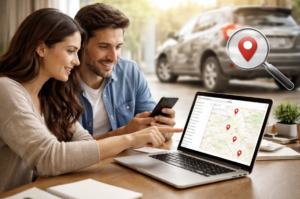
When a vehicle loses market value after an accident, even after repairs are completed, that loss can have a real financial impact on the owner. This is where diminished value comes into play. In the past, finding the right appraiser often depended on word of mouth, local listings, or a long chain of phone calls. Today, technology has changed that process in a major way. It has made it easier, faster, and far more transparent for consumers to connect with the right professional for their needs.
Modern tools now help drivers research appraisers, compare credentials, review online reputations, verify licensing, access digital reports, and communicate more efficiently. As the internet continues to shape how people make decisions, the process of locating a trustworthy vehicle value expert has become more informed and more convenient. That matters because when money is on the line, better information leads to better decisions.
Technology does not just help people search. It helps them search smarter. Digital platforms, mapping tools, mobile browsing, customer review systems, data-driven valuation methods, and online education resources all make it easier to locate an experienced appraiser who can provide reliable support. For anyone searching for a Diminished Value Appraiser Near Me, technology has become one of the most valuable tools in the process.
The Digital Search Advantage
The average consumer now begins almost every service search online. That includes automotive services, legal support, insurance help, and appraisal needs. Instead of relying only on printed directories or local referrals, people now use search engines, mobile devices, voice search, and local business platforms to find providers in their area. This shift has raised the standard for visibility and credibility.
A business that shows up clearly online, provides detailed service information, and demonstrates authority through a strong digital presence is often seen as more trustworthy. Technology allows consumers to evaluate not only whether an appraiser exists nearby, but whether that appraiser appears qualified, established, and prepared to help. Online access to professional websites, digital reviews, maps, location data, and educational resources creates a more confident path to making contact.
It also helps consumers understand the topic before they ever make a call. General background on diminished value gives vehicle owners a better understanding of why an appraisal matters and how a claim may be supported after an accident. That level of education can make the search process more productive from the start.
How Search Engines and Local Search Tools Improve Results
Search engines have become one of the most powerful tools for connecting local consumers with specialized service providers. Search technology has advanced far beyond simple keyword matching. Today, search results are shaped by location relevance, business authority, user behavior, mobile performance, and content quality. That means consumers can often find a highly relevant appraiser by using a targeted local phrase and then reviewing the results that appear in maps, directories, and business listings.
Local search tools also help narrow down results based on geography. A vehicle owner can quickly identify which businesses serve a particular city, county, or metro area. That matters for appraisal services, especially when timing, documentation, and ease of communication are important. Instead of making a dozen calls to businesses that may not provide the right service, a person can use digital search tools to identify likely matches in a matter of minutes.
The rise of mobile-first browsing has also made the process more immediate. Many people begin their search directly from a smartphone after an accident, during an insurance claim, or while gathering documentation. Trends in mobile technology continue to shape how consumers research local services, making business accessibility and online presence more important than ever.
Why Online Reviews and Digital Reputation Matter
One of the biggest ways technology helps consumers is through access to online reviews and reputation signals. Before digital platforms became mainstream, most people had very little insight into a service provider’s track record. Today, public feedback can reveal patterns in communication, report quality, professionalism, timeliness, and customer satisfaction.
That kind of visibility can help a consumer avoid guesswork. An appraiser with a strong online presence, clear client feedback, and a consistent reputation often inspires more confidence than one with no visible track record at all. Reviews can help people identify whether the appraiser appears responsive, knowledgeable, and experienced with diminished value cases.
At the same time, trust is built by more than ratings alone. A well-developed website, professional writing, consistent branding, and useful educational content all send important signals. Digital trust has become a major part of how people evaluate service businesses. As conversations around cybersecurity and online trust continue across technology media, consumers are becoming more aware of what a credible digital presence looks like.
Technology Makes Research Easier Before You Ever Make Contact
A major advantage of modern technology is the ability to research a business deeply before reaching out. That includes reviewing the services offered, understanding how the appraisal process works, checking whether reports are handled digitally, and seeing whether the business explains its value clearly. This kind of information reduces friction and makes the consumer feel more prepared.
Educational content is especially valuable in a field like diminished value, where many vehicle owners are not familiar with the process. A strong website can explain how an appraisal supports a claim, why repair quality does not erase value loss, and what kind of documentation may be needed. The more clearly a business explains these points, the more trustworthy it appears.
Technology publishing has also influenced how people think about digital reliability, automation, and online service experiences. Coverage from sources such as TechCrunch and The Verge continues to reinforce how digital tools are changing service industries and consumer expectations. That shift benefits appraisal clients because it encourages businesses to be more informative, more accessible, and more transparent online.
Digital Documents and Data Tools Improve Appraisal Quality
Technology does not only help people find an appraiser. It also helps appraisers do better work. Digital documentation, valuation databases, photographic evidence, repair record review, and online communication tools all contribute to a stronger appraisal process. When an appraiser can access reliable market data, organize files efficiently, and deliver reports digitally, the client often receives a more streamlined and professional experience.
Modern appraisal services are increasingly supported by technology that improves accuracy and communication. Vehicle history, comparable market data, repair details, and claim-related documentation can all be reviewed and organized with greater efficiency than in the past. This helps reduce delays and improve consistency in the final report.
The broader conversation around data, automation, and service technology has been shaped by respected outlets such as MIT Technology Review and Wired. As more industries adopt digital workflows, consumers have come to expect smoother service and better access to information. That expectation now extends to appraisal services as well.
Location Technology and Mapping Help Consumers Find Local Experts Faster
Another major benefit of technology is location-based search. Mapping tools, GPS-driven devices, and local search results make it easier to identify nearby service providers without wasting time. This is especially useful when consumers want someone familiar with their market area, insurance environment, or regional vehicle resale conditions.
Location technology can also help people understand service coverage. Some appraisers work statewide, while others focus on specific local markets. Technology makes it easier to see whether a company serves a certain area, how easy it is to reach them, and whether they appear well established in the region. A clear local footprint can strengthen trust because it suggests the business is not vague or difficult to pin down.
Digital location tools are part of a broader technology ecosystem that continues to evolve. Ongoing reporting from CNET and other established tech media reflects how location-aware platforms and connected devices have become central to modern decision-making. That same convenience helps vehicle owners move from uncertainty to action much more quickly.
Authority Signals Online Help Build Trust
For a business website, trust is not built through appearance alone. It is reinforced by authority signals. These include well-written content, clear service pages, consistent contact information, helpful educational articles, and relevant external references. When a business demonstrates that it understands both the appraisal topic and the digital experience customers expect, it becomes more credible in the eyes of visitors and search engines alike.
This is where strong online content plays an important role. A business that publishes useful information, explains industry concepts clearly, and maintains a polished site often earns stronger engagement. Over time, that can support better Trust Flow, Citation Flow, and Domain Authority because other websites, directories, and users are more likely to recognize it as a legitimate resource.
Technology has raised the bar for digital credibility. Consumers now expect a website to load well, function on mobile, provide clarity, and demonstrate real value. Businesses that meet those standards position themselves more effectively for both search visibility and user trust.
Technology Has Changed Consumer Expectations for Speed and Clarity
People want answers faster than ever. They want to know what a company does, whether it serves their area, how to get started, and what kind of support to expect. Technology helps meet those expectations by making information instantly available. Fast-loading sites, mobile accessibility, online forms, digital communication, and educational content all contribute to a smoother experience.
This matters because a person looking for an appraiser is often already dealing with the stress of an accident, repairs, or an insurance dispute. A confusing or outdated website can make that stress worse. A clear digital presence does the opposite. It helps the consumer feel grounded, informed, and ready to move forward.
The service businesses that stand out today are often the ones that understand this balance. They combine human expertise with digital convenience. That combination allows them to serve clients more effectively while also building stronger authority online.
Conclusion
Technology has transformed how people find and evaluate specialized service providers, and that includes diminished value appraisers. What used to take significant time and effort can now be done through a more informed, efficient, and transparent process. Search engines, local listings, digital reputation signals, mapping tools, mobile access, educational content, and modern appraisal workflows all help consumers make better choices.
For vehicle owners, this means less guesswork and more confidence. For appraisal businesses, it means the opportunity to build stronger trust online by showing expertise, clarity, and credibility through a professional digital presence. In a world where online visibility and authority matter more every year, technology has become an essential bridge between the consumer’s need and the appraiser’s service.
Finding the right appraiser is no longer only about proximity. It is about accessibility, information, trust, and confidence. Technology brings all of those pieces together, helping people connect with the right support at the right time.
